
Learn the 14 Leading Chart Patterns in Algorithmic Trading
Discover how to identify and utilize the 14 leading chart patterns in algorithmic trading to enhance your trading strategies and maximize profitability. Master the art of pattern recognition and ta...
ALGORITHMIC TRADING.
2/7/20244 min read

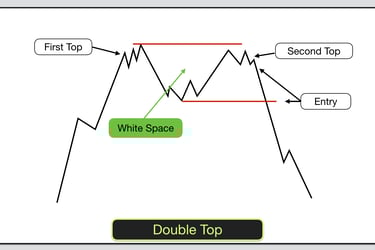
Double Tops & Bottoms
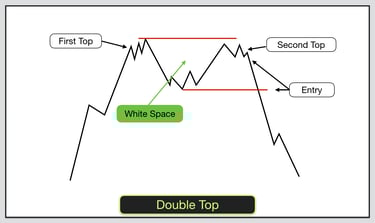
Double Tops and Bottoms are reversal patterns identified on price charts. They signal potential trend reversals after an established uptrend (Double Top) or downtrend (Double Bottom).
Trading Strategy
Confirmation Entry: Algorithmic traders may enter short positions when a Double Top is confirmed and long positions when a Double Bottom is confirmed. Confirmation often involves a break below or above the pattern's neckline.
Adam & Eve Double Tops & Bottoms
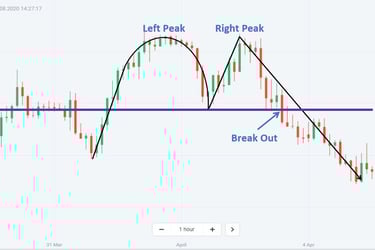
Adam & Eve Double Tops and Bottoms are variations of the traditional patterns, indicating a smoother, rounded formation.
Trading Strategy
Confirmation Entry: Similar to Double Tops & Bottoms, algorithmic traders may enter positions upon confirmation, with attention to the rounded and smoother characteristics of the pattern.
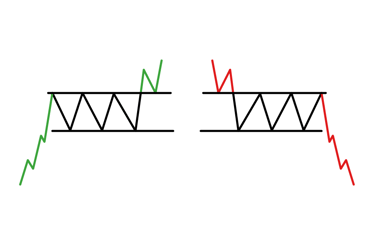
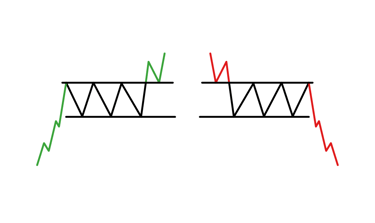
Rectangles
Rectangles are consolidation patterns, indicating a period of price consolidation before the prevailing trend resumes.
Trading Strategy
Breakout Entry: Algorithmic traders may enter positions when the price breaks out of the rectangle pattern, expecting a continuation of the trend.
Triple Tops & Bottoms
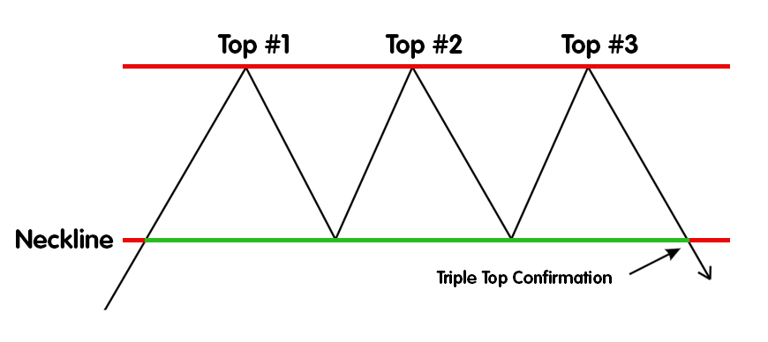
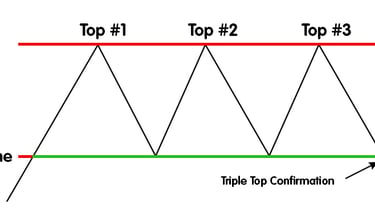
Triple Tops and Bottoms are variations of Double Tops & Bottoms, indicating further resistance or support levels.
Trading Strategy
Confirmation Entry: Algorithmic traders may enter positions upon confirmation, considering the triple nature of the pattern.
Triangles (Descending and Ascending)
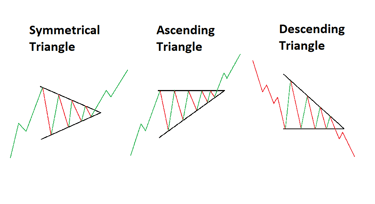
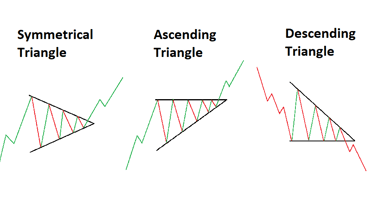
Triangles are continuation patterns that suggest a temporary consolidation before the prevailing trend resumes.
Trading Strategy
Breakout Entry: Algorithmic traders may enter positions when the price breaks out of the triangle pattern, anticipating a continuation of the trend.
Broadening Patterns
Broadening Patterns are characterized by expanding price ranges, indicating increased volatility.
Trading Strategy
Volatility Breakout Entry: Algorithmic traders may enter positions when the price breaks out of the broadening pattern, capitalizing on increased volatility.
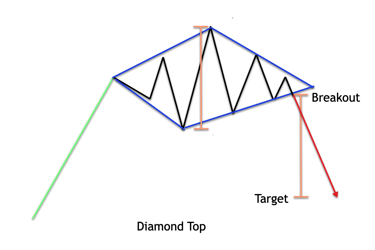
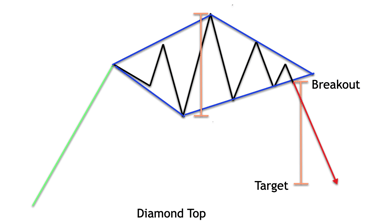
Diamond Tops
Diamond Tops are reversal patterns forming a diamond shape, signaling potential trend changes.
Trading Strategy
Confirmation Entry: Algorithmic traders may enter positions when the price breaks below the diamond pattern's support, indicating a potential trend reversal.
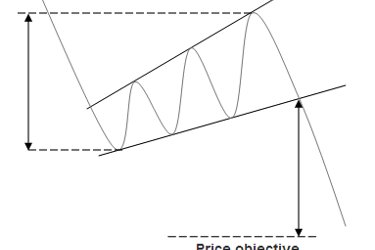
Wedges
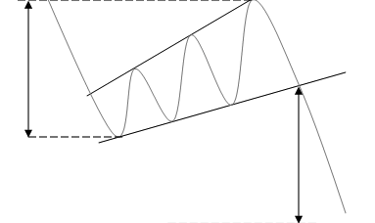
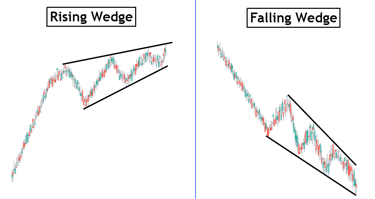
Wedges are consolidation patterns that resemble triangles but have converging trendlines.
Trading Strategy
Breakout Entry: Algorithmic traders may enter positions when the price breaks out of the wedge pattern, expecting a continuation of the trend.
Rounded Tops & Bottoms
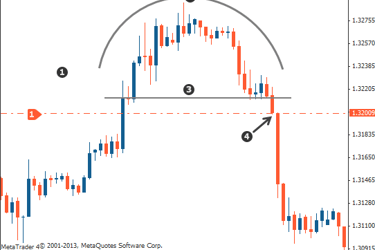
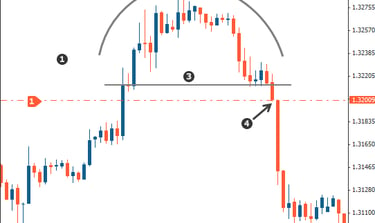
Rounded Tops and Bottoms are characterized by smooth, rounded shapes, indicating a gradual reversal.
Trading Strategy
Confirmation Entry: Algorithmic traders may enter positions upon confirmation, considering the rounded nature of the pattern.
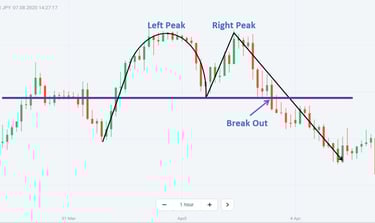
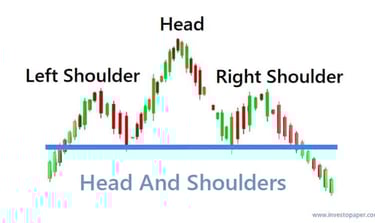
Head & Shoulders
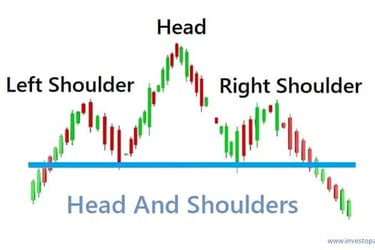
Head & Shoulders is a reversal pattern that signals the end of an uptrend.
Trading Strategy
Breakout Entry: Algorithmic traders may enter short positions when the price breaks below the pattern's neckline, confirming the reversal.
Inverse Head & Shoulders
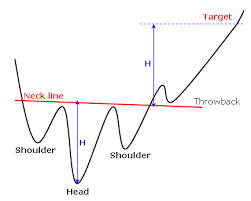
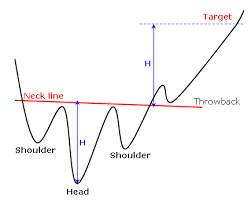
Inverse Head & Shoulders is a reversal pattern that signals the end of a downtrend.
Trading Strategy
Breakout Entry: Algorithmic traders may enter long positions when the price breaks above the pattern's neckline, confirming the reversal.
Flags
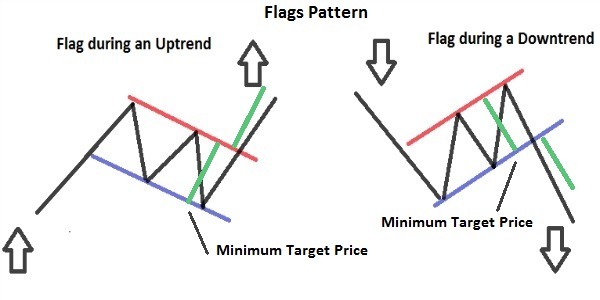
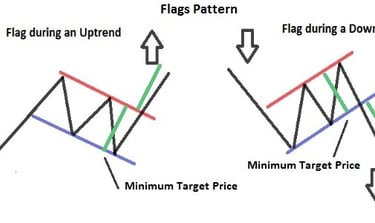
Flags are short-term continuation patterns that signal a brief consolidation before the prevailing trend resumes.
Trading Strategy
Breakout Entry: Algorithmic traders may enter positions when the price breaks out of the flag pattern, anticipating a continuation of the trend.
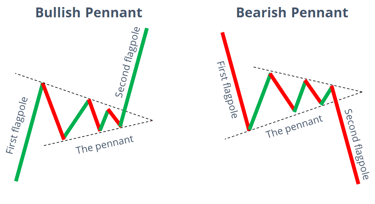
Pennants
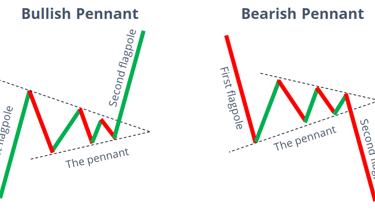
Pennants are small symmetrical triangles that form after strong price movements, indicating a brief consolidation.
Trading Strategy
Breakout Entry: Algorithmic traders may enter positions when the price breaks out of the pennant pattern, expecting a continuation of the trend.
Conclusion
Algorithmic trading patterns offer systematic approaches to identify potential trading opportunities in financial markets. Traders use these patterns to automate decision-making processes, leveraging historical data and real-time analysis.
It's essential for algorithmic traders to thoroughly backtest their models, considering market conditions, transaction costs, and risk management. Additionally, continuous monitoring and adaptation of algorithms are crucial to ensure their effectiveness in dynamic market environments.
Successful algorithmic trading often involves a combination of these patterns and continuous refinement to adapt to evolving market conditions.
Francisco F. De Troya
Algorithmic trading & derivatives professional.
Executive Chairman, Blockmas

How To Invest in a Portfolio of Trading Systems?
Almost all retail traders lose all their money in less than 90 days by applying discretionary trading strategies. Successful traders invest in a decorrelated portfolio of algorithmic trading systems. In this small ebook we dive into how to analyse trading systems, how to invest in them, and how to build a portfolio of institutional grade algorithms.



The Dark Side of Brokers, And How To Win Them.
Most CFD brokers and derivatives firms profit from their clients' losses by being their counterparties and do everything in their power to make them lose their funds as quickly as possible. In this small ebook, our founder, Francisco F. De Troya, who worked for 3 of the largest brokerage firms in the world, exposes how the industry works and how you can really get the best results in the financial markets with algorithmic trading.